
Jewel City Optometry • Glendale, CA
Glaucoma Testing in Glendale
Protecting your vision starts with understanding your eye health—even when you haven’t noticed a change.
At Jewel City Optometry, glaucoma evaluation focuses on your risk factors, eye pressure, and optic nerve health. Dr. Arlene T. Yepremian, O.D., helps you understand your findings and the next steps for ongoing monitoring.
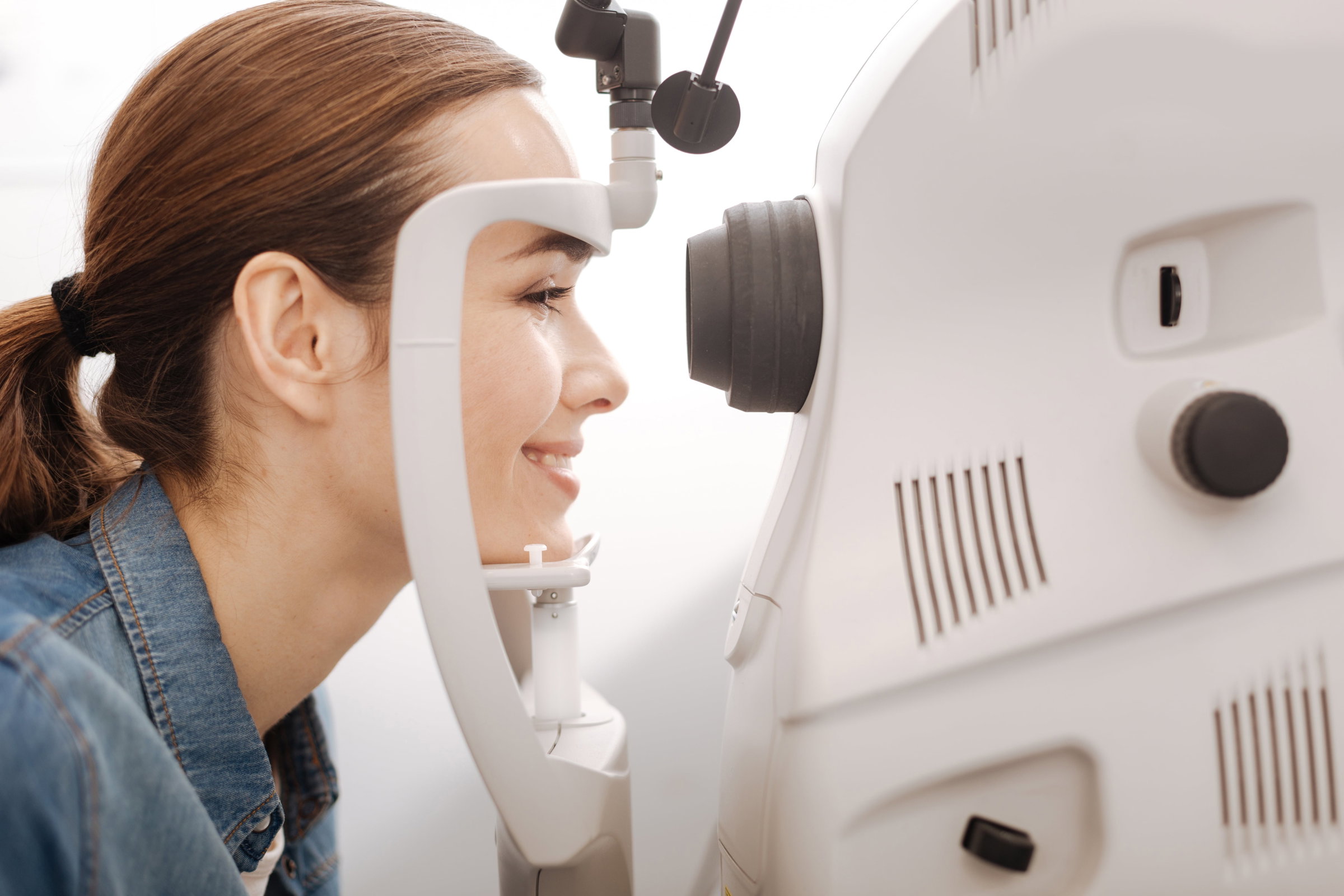
Understanding glaucoma
Your vision can feel normal while changes develop.
Glaucoma is a group of eye conditions that damage the optic nerve, which carries visual information from your eye to your brain. The most common forms develop gradually, often without noticeable early symptoms.
Elevated eye pressure is an important risk factor, but glaucoma can also occur with pressure in the normal range. A pressure reading alone does not tell the whole story.
Vision already lost to glaucoma cannot be restored. Early detection and appropriate treatment help protect remaining vision, making routine evaluation and follow-up important even when you see clearly.
An evaluation guided by your risk factors
Your history helps guide which tests you need and how often your eyes should be checked. Bring any previous eye records and a current medication list so we can discuss the full picture.
Age
Glaucoma risk increases as you get older, even without new vision symptoms.
Family history
Tell us if a parent, sibling, or other relative has been diagnosed with glaucoma.
Medical history
Health conditions, past eye injuries, and medications—including steroids—can inform your assessment.
Previous eye findings
Earlier pressure readings and optic nerve findings help us look for changes over time.
What glaucoma testing may involve
Testing looks beyond how clearly you read an eye chart. Your evaluation is tailored to your history and examination findings, with each next step explained along the way.
Eye pressure measurement
Measuring pressure inside your eyes provides one part of your glaucoma assessment. Results are interpreted alongside your other findings.
Optic nerve assessment
Examining the optic nerve helps identify concerning changes. Eye dilation may be recommended for a more detailed view.
Additional testing or referral
Depending on your results, next steps may include visual field testing, optic nerve imaging, or referral to an ophthalmologist for further evaluation and treatment.
Have a family history of glaucoma?
Let’s discuss your risk and an appropriate testing schedule.
Monitoring matters beyond one visit
Comparing findings over time helps detect changes that a single exam cannot show. Your follow-up schedule depends on your risk level, test results, and any existing diagnosis.
If treatment is needed, ongoing care focuses on managing eye pressure and protecting your remaining vision. Keep recommended appointments and use prescribed medication as directed.
Take the next step in protecting your eye health
Request a visit with Dr. Arlene T. Yepremian, O.D., to discuss glaucoma testing and a monitoring plan that fits your needs.
Jewel City Optometry • 839 N Glendale Ave, Glendale, CA 91206