
Jewel City Optometry · Glendale, CA
Corneal Refractive Therapy in Glendale
Overnight lenses. A different approach to daytime vision.
Corneal refractive therapy uses specially fitted contact lenses worn while you sleep to temporarily reshape the front surface of your eye. For suitable patients, this can reduce reliance on glasses or contacts during the day.
At Jewel City Optometry, your discussion with Dr. Arlene T. Yepremian, O.D., starts with your eye health, prescription, and daily routine—not a one-size-fits-all recommendation.
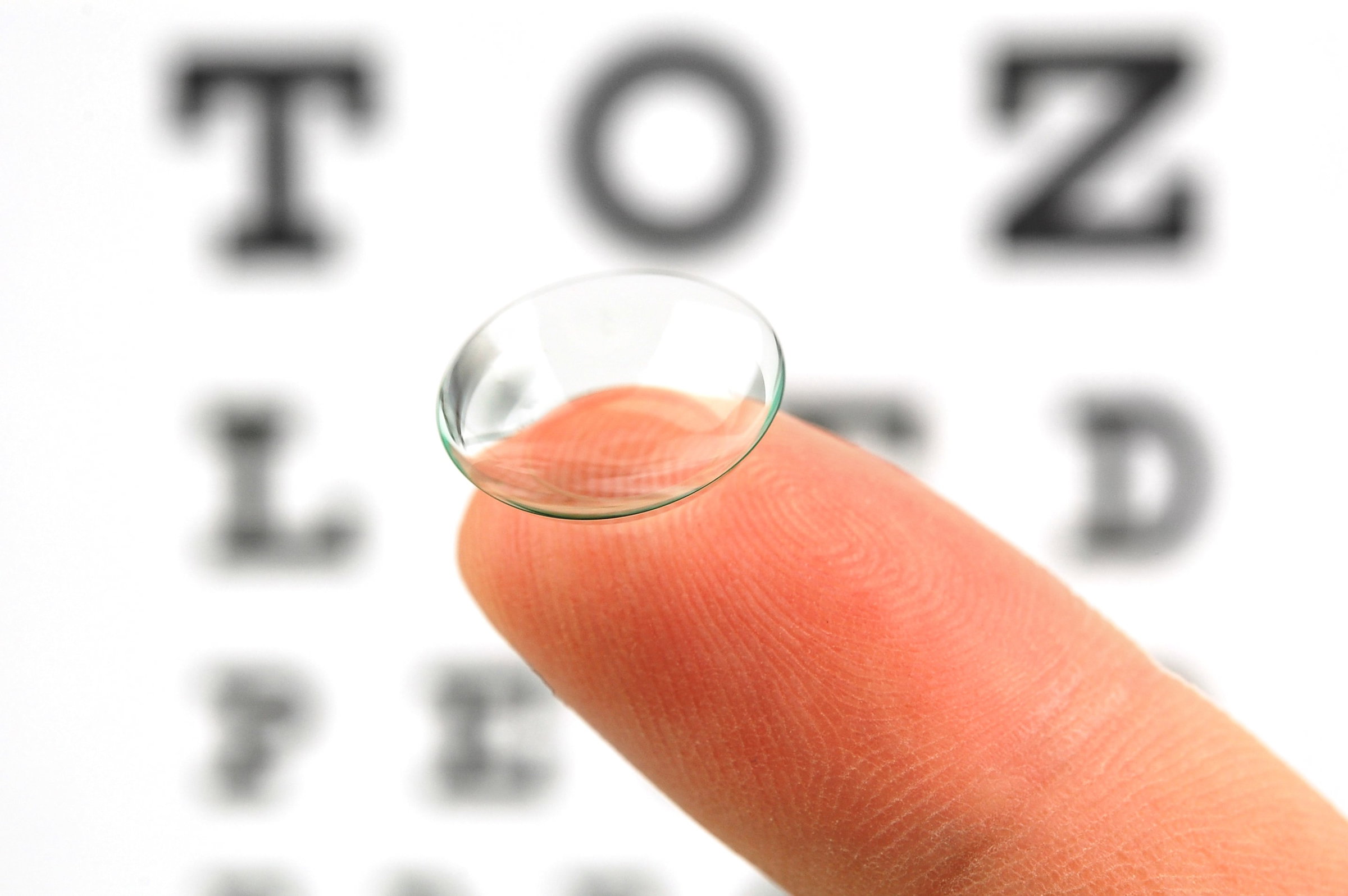
Personalized contact lens care with Dr. Arlene T. Yepremian, O.D.
How it works
Temporary reshaping—not permanent correction
Also called orthokeratology, or ortho-k, corneal refractive therapy uses rigid, gas-permeable lenses to gently reshape the cornea, the clear front surface of your eye. This changes how light focuses and can improve unaided daytime vision, particularly for people with nearsightedness.
01 · Overnight
Wear your prescribed lenses
You wear custom-fitted lenses during sleep, following the schedule and instructions provided for your eyes.
02 · During the day
Remove lenses on waking
The reshaping effect remains after you remove the lenses. Vision varies by prescription and response, and backup glasses may still be needed.
03 · Ongoing care
Maintain the effect
Regular prescribed wear and follow-up visits are necessary. If you stop wearing the lenses, your cornea gradually returns toward its original shape and your vision correction needs return.

Is overnight lens wear right for you?
An eye examination and detailed corneal measurements help determine whether this approach fits your needs. Your assessment considers:
- Your prescription: The amount of nearsightedness and astigmatism affects what these lenses can correct.
- Your corneal health: Eye shape, tear quality, and surface health guide safe lens selection.
- Your age and goals: Children and adults have different visual needs. Children need reliable adult supervision for lens care.
- Your care routine: Consistent hygiene, prescribed wear, and regular checkups are essential.
For children with progressing nearsightedness, ortho-k can also be part of a myopia management discussion. Correcting daytime vision and managing myopia progression are distinct goals.
Start with an assessment, not an assumption.
Talk through your prescription, expectations, and lens-care needs.
Healthy eyes depend on careful lens care
Overnight contact lens wear carries a risk of corneal infection, including serious infections that can threaten vision. Other concerns include irritation, corneal scratches, glare, halos, and fluctuating vision.
Careful hygiene and scheduled monitoring are central to treatment. Only sleep in lenses specifically prescribed for overnight wear.
Pain or redness needs prompt attention
Remove your lenses and seek prompt eye care for pain, redness, light sensitivity, discharge, or reduced vision. Do not resume wear until your eye care provider advises you to.
Call (818) 240-3937Your daily care essentials
- Wash and thoroughly dry your hands before touching your lenses.
- Clean and disinfect lenses with the recommended products after each use.
- Keep lenses and cases away from tap water and saliva; remove lenses before swimming or showering.
- Use fresh disinfecting solution each time—never top off old solution.
- Clean and replace your lens case as directed.
- Attend follow-up visits, even when your vision feels clear.
Explore your next steps
Understanding your options makes the conversation easier. Your examination will guide whether overnight lenses or another approach is the better fit.
Let's talk about your daytime vision
Meet with Dr. Arlene T. Yepremian, O.D., to discuss corneal refractive therapy, the care it requires, and options suited to your eyes.
Jewel City Optometry · 839 N Glendale Ave, Glendale, CA 91206